
Staircase Renovation Checklist: What to Know Before You Start Your Project

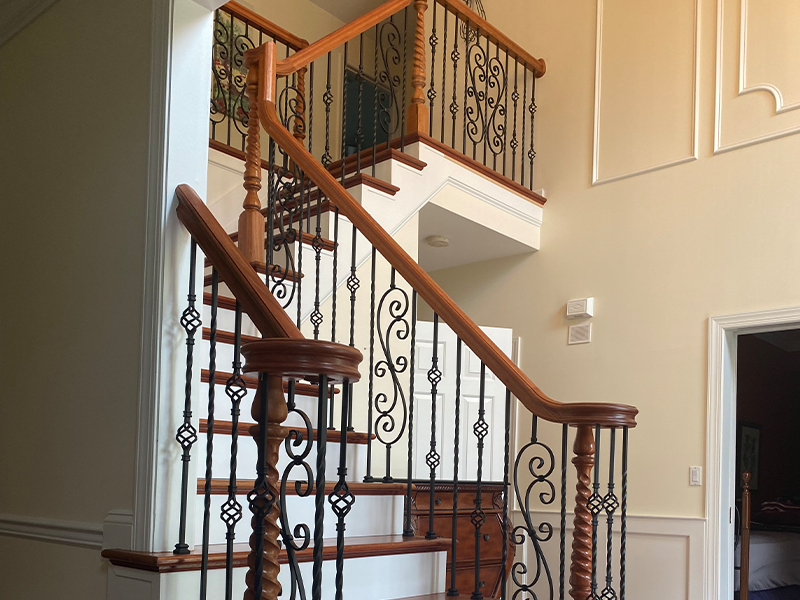
completed staircase renovation

A staircase is more than just a way to get from one floor to another. In many homes, it’s a central architectural feature that can define the entire aesthetic of a space. However, outdated, damaged, or poorly designed stairs can harm your home’s appeal and safety. That’s why many homeowners turn to staircase renovations—to modernize the look, improve functionality, and increase overall value. But before you dive into a stair remodel, there are a few crucial steps to take to ensure the process goes smoothly.

After years in the stair building business, our team at Darby Stair Renovations has become experts at the process of renovating a staircase. Now, we want to pass on our years of knowledge to you and help you have a successful and stress-free renovation. So whether you’re planning a small update or a full staircase transformation, here’s what you need to know before getting started.

Define Your Staircase Goals

Every staircase renovation should begin with a clear understanding of your vision and priorities. Are you aiming to modernize a dated staircase with contemporary materials? Do you want to improve safety for young children, pets, or aging family members? Perhaps your focus is on adding architectural charm with elegant moulding, custom trim, or unique tread designs. You might even want your staircase to match seamlessly with recent renovations in other areas of your home.

Defining these goals early ensures your project stays on track. It allows you to make informed decisions about materials, finishes, and structural changes that support your desired outcome. For instance, homeowners seeking a grand and inviting entryway might select rich hardwood railings, ornate newel posts, and detailed wainscoting to create a show-stopping focal point. On the other hand, those striving for a modern, minimalist feel may prefer sleek metal balusters, glass panels, and clean-lined handrails. By clarifying your staircase goals from the start, you set the foundation for a renovation that enhances both your home’s style and its long-term value.

Assess the Current Structure

Once your goals are defined, the next step is understanding what you’re working with. Before selecting new materials or finalizing your staircase design, it’s crucial to understand the condition of your existing structure. While you may have already addressed visible concerns, it is not uncommon for there to also be hidden issues that could impact the renovation process. That’s why any stair renovation should begin with a comprehensive inspection to assess structural integrity, check for building code compliance, and evaluate any wear-and-tear that may have developed over the years.

This detailed assessment allows you to determine whether reinforcements or repairs are necessary before moving forward with any upgrades. For example, if you are planning to swap traditional wood balusters for heavier wrought iron or glass panels, the underlying framework must be able to support the additional weight. By identifying these requirements early, you can avoid costly delays, unexpected expenses, and safety hazards during construction.

Understand Local Building Codes and Safety Standards

A thorough evaluation naturally leads to the next consideration—ensuring your renovation meets all local building codes and safety requirements. These standards outline critical specifications for tread depth, riser height, handrail height, and the spacing between balusters. They are designed to ensure safety by setting a standard for structural stability and minimizing the risk of falls.

Overlooking these requirements can have serious consequences. Non-compliant staircases may lead to costly modifications or even legal complications during a home inspection or sale. For homeowners, this means that cutting corners on compliance can ultimately be far more expensive and stressful than doing it right the first time.

Working with a professional stair renovation company ensures every measurement, material choice, and installation method aligns with current safety standards. An experienced contractor will not only help you achieve your desired look but will also make sure your new staircase is structurally sound and code-compliant. By prioritizing both aesthetics and safety from the start, you’ll enjoy a staircase that is beautiful, functional, and fully approved for everyday use.

Budget Realistically—and Build in a Buffer

Once you have addressed any compliance concerns, it’s time to focus on your budget. Establishing a clear and realistic budget is one of the most important steps in a successful staircase renovation. The most practical approach is to start with what you are comfortable spending on materials. The cost difference between hardwood and engineered wood can be significant. So while you may have visions of a grandiose, solid wood staircase, you need to be pragmatic about whether your budget can support that dream.

While determining your budget for materials, labor, and finishing details is the most obvious step in budgeting, it is equally important to account for the unexpected. Performing due diligence before starting your project significantly helps to minimize surprises, but you should still always leave room in your budget for potential roadblocks that may come up during the renovation. Additionally, shifts in material availability, shipping delays, or design changes mid-project can all increase costs.

To avoid financial stress and project delays, we recommend building a contingency of at least 10–15% into your budget from the start. This safety net ensures you have the flexibility to address surprises without compromising quality or design. It also allows for small upgrades—like choosing a more durable hardwood species or upgrading to custom metal balusters—without exceeding your financial limits.

Choose Materials That Balance Style and Durability

When you have a reliable budget mapped out, you can then focus on selecting your materials. The quality of materials directly impacts both the look and the long-term performance of your staircase. Hardwood remains a top choice for treads and handrails because of its durability, classic beauty, and ability to be refinished over time. Species such as oak, maple, and hickory not only offer impressive strength but also provide a wide variety of grain patterns and stain options, making it easy to complement your home’s overall design.

For balusters, homeowners can choose from timeless wooden spindles, sleek metal rods, or intricate wrought iron designs. Additionally, moulding and trim add the finishing touches that tie the staircase into the surrounding architecture. Each material brings its own character and maintenance needs, allowing you to tailor your selection to your aesthetic goals and lifestyle. So whether you prefer the clean, minimalist lines of modern design or the rich detailing of a traditional profile, these elements can be fully customized during the material selection stage.

Consider the Flow of Your Home’s Interior Design

Material choices should also harmonize with your home’s overall interior design. A well-designed staircase should complement, not compete with, the surrounding décor. This means carefully considering how the materials, colors, and architectural style of your stairs will blend with adjacent spaces such as your entryway, living room, or kitchen.

For instance, if your home features a modern kitchen with sleek cabinetry and neutral tones, a contemporary staircase with glass railings and open risers may be the perfect complement. In contrast, a colonial or traditional home might benefit from warm hardwood treads, classic balusters, and understated moulding and trim. Avoid design extremes that disrupt the visual flow. Instead, focus on creating a staircase that feels like an intentional extension of your home’s style.

Timeline Planning and Project Phasing

Creating a clear build timeline is essential for a smooth staircase renovation. The duration of the project can vary significantly based on scope and complexity. Simple upgrades—such as replacing treads, risers, or balusters—may be completed within a few days. However, more intricate work, like custom railing fabrication, detailed moulding installation, or structural modifications, can extend the timeline by several weeks.

Beyond the construction schedule itself, homeowners should plan for the impact on daily routines. Because the staircase is often a central pathway in the home, temporary disruptions to access are likely. Coordinating with your contractor to phase the work strategically can help maintain functionality. For instance, certain steps can be completed in stages to allow partial use of the staircase, or alternative pathways may be arranged if possible.

Effective timeline planning also allows for coordination with other home improvement projects. Tasks like flooring installation or painting need to align with the stair renovation to avoid complications. By approaching the process with a phased plan and open communication, you’ll minimize inconvenience and keep your project on track.

Think Long-Term: Maintenance and Wear

Even the most beautiful staircase needs to withstand daily life. Families with children, pets, or heavy foot traffic should choose durable finishes and materials. Hardwoods like oak, maple, or hickory are excellent choices for treads due to their resistance to dents and scratches. And applying high-quality protective finishes can further shield the surface from daily wear. 

If pets are a concern, consider textured finishes or anti-slip treatments to improve safety and reduce visible scuffing. Likewise, choosing baluster and railing materials that are both sturdy and easy to clean—such as powder-coated metal or sealed hardwood—can help maintain a fresh look with minimal upkeep.

By selecting finishes and materials that are resilient, you’ll ensure your staircase remains a functional centerpiece for decades. And while quality materials are the key to a long-lasting staircase, proactive maintenance will still be necessary. Your contractor should be able to explain how to clean and protect your new staircase based on the materials you selected.

Take Your Renovation to the Next Level

While general contractors may offer staircase remodeling as part of a larger renovation, working with a specialist like Darby Stair Renovations ensures that your project receives the attention, craftsmanship, and expertise it deserves. We focus exclusively on stair remodeling, railings, and moulding, which means we bring a level of precision and artistry that few others can match.

Our experience includes everything from restoring historic staircases to designing sleek, modern stair systems with floating treads and custom handrails. So don’t settle for ordinary—let us help you bring your dream staircase to life. Contact Darby Stair Renovations today to schedule your consultation and take the first step toward a safe, stylish, and beautifully crafted staircase that will elevate your home for years to come.

The Best Staircase Designs for Multi-Level Homes and Split-Level Layouts

Multi-level and split-level homes are popular choices when house hunting, especially for families. These homes offer a great deal of space and often the opportunity to renovate and update to fit personal preference. But people typically focus on upgrades to the kitchen, bathroom, flooring, and paint, while overlooking an important opportunity to upgrade their house’s staircase. Staircases are not only a visual element in a home, but they also fill an important functionality and safety role.

Darby Stair Renovations are the experts in carpentry and staircase design. We have extensive experience with crafting staircases that don’t just hold up, but also work with the layout of each house we work in. Below you will find information about the unique needs of split-level and multi-level homes, and we will go over the pros and cons are several types of staircases.

The Importance of Staircase Design

When it comes to split-level and multi-level homes, staircases are a key feature, providing a way to move from one level of your home to the next. The design of the home itself is a crucial factor to consider when determining what type of staircase to have installed or what types of upgrades to perform.

Split-level homes, which became popular in the mid-20th century, have separate levels that are staggered above one another. It is very common to find shorter flights of stairs connecting the different levels. Older split-levels also tend to have stairs that are narrow and steep, posing both a functionality and a safety issue.

Multi-level homes have levels stacked directly above one another. Often, the staircases in these homes have a larger footprint due to the levels having greater space between them. Older multi-level homes tend to have great opportunities for staircase replacement or remodel.

It is not uncommon for both of these types of houses to have the staircase be one of the first features that people are greeted by when entering the home. And so while functionality should remain the primary focus, it is reasonable to also desire a visually appealing design. The good news is that achieving safety and functionality does not mean you have to compromise on appearance. Many staircase options work well in both of these house styles and can be designed in an architecturally beautiful way.

Classic Straight Stairs: Timeless Versatility

Straight staircases remain the most common design for multi-level homes due to their simplicity, cost-effectiveness, and ease of integration. For split-level homes, a straight staircase creates a direct path between zones while maintaining an open sightline. This layout also facilitates easier furniture movement and future renovations.

If your current straight staircase feels outdated, consider upgrading it. It can be as simple as replacing your stairs’ treads and risers with newly stained wood pieces or choosing to overhaul your stairs’ look with paint. Whatever you are envisioning for your home, choosing a classic straight staircase is rarely a poor decision. Darby Stair Renovations frequently recommends adding moulding details along the side walls for architectural refinement, creating a cohesive flow from the stairs to adjacent rooms.

L-Shaped and U-Shaped Stairs: Maximizing Functionality

L-shaped stairs, which include a landing and change direction at a right angle, and U-shaped stairs, consisting of two flights parallel to each other with a landing, are both great staircase options for when you are looking to conserve as much free space as possible in your home. L-shaped stairs work well for creating visual separation between levels. They are also an excellent option in both split-level and multi-level homes. U-shaped stairs are well-suited for taller split-level layouts, given that they can accomplish the functional task of connecting two levels in a house while taking up significantly less space than some other staircase designs.

Another benefit to either one of these design options is the increased safety. Both offer the flexibility of minimizing the number of steps in a single flight and provide a landing in between each flight. They can also be designed with closed risers and sturdy railings which is ideal for families.

Open-Riser Stairs: Contemporary Lightness and Airflow

Open-riser staircases are increasingly popular in modern split-level and multi-level renovations. By removing the vertical risers, these stairs create a floating effect, allowing light to travel freely between levels and visually expanding tight entryways or living spaces. This design is particularly impactful in homes where natural light is limited or where you seek an airy, minimalist aesthetic.

While open-riser designs add visual interest and sophistication, they require expert planning to meet safety codes and structural requirements. When considering open-riser staircases, it is recommended that you consider who will be utilizing them. These stairs may not be the best option if you have children or elderly persons present, given that there are potential safety concerns inherent to this more open design.

Floating Stairs: Architectural Masterpieces for Modern Homes

Floating staircases have become a signature feature in high-end multi-level home renovations. Characterized by hidden structural supports, these stairs appear to hover in midair, creating an ultra-modern, luxurious aesthetic. Glass railings or frameless balustrades often accompany floating stairs to enhance their sculptural effect.

Installing floating stairs requires advanced structural engineering to ensure safety and durability. Homeowners looking to incorporate this design benefit from Darby Stair Renovations’ expertise in crafting structurally sound floating stair systems with high-quality materials and custom railings. This is a unique and visually striking staircase option; however, just like with open-riser staircases, it may not be the best option if you have children or elderly persons living in the home.

Spiral Stairs: Compact Elegance for Tight Spaces

Spiral staircases are a statement feature. Their unique design catches the eye and draws interest. They are also a great option when space is limited, but connecting different floor levels is still necessary. They can serve as secondary staircases connecting lofts, sunken dens, or basement zones without intruding on main living spaces. Available in wood, iron, or combined materials, spiral staircases provide a dramatic design statement in your home.

As beautiful as spiral stairs are, they are not considered a practical choice for a home’s main staircase and are not the safest option for homes with children and elderly persons present. This staircase option is best selected for accent stairs or secondary access points, ensuring that they complement the overall architectural style of a house and have their use limited to those who are able-bodied.

Integrating Railings and Mouldings for Cohesion

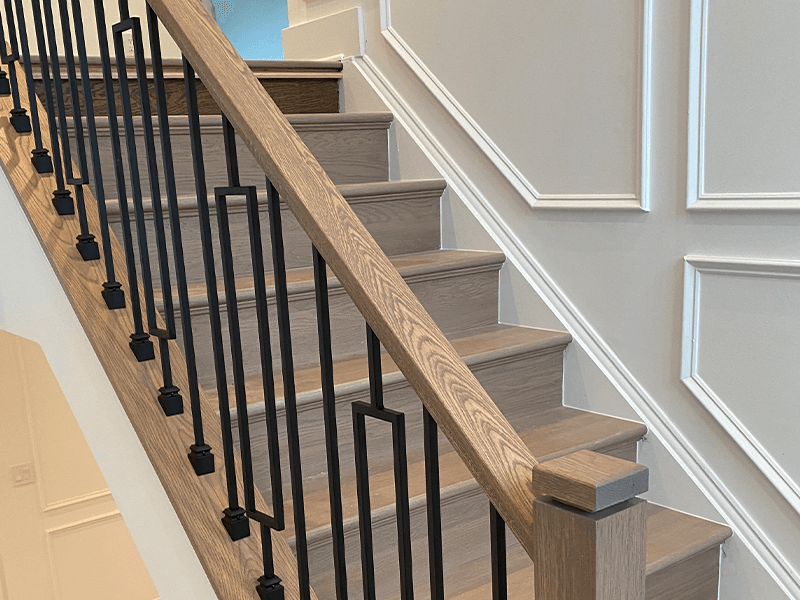
Railings and mouldings play a critical role in unifying your staircase with the rest of your home. Traditional staircases can be modernized by replacing ornate wood spindles with black iron balusters, achieving a transitional look that suits both classic and modern interiors. Conversely, adding crown moulding, wainscoting, or custom trim to staircase walls enhances architectural elegance, especially in split-level homes where entryways can otherwise feel plain.

Darby Stair Renovations offers tailored moulding and railing solutions, from handcrafted newel posts to minimalist stainless steel cables, ensuring your stairs not only meet safety standards but also elevate your home’s design narrative.

Choosing the Right Staircase Design for Your Home

Selecting the ideal staircase design requires a balance of functionality, aesthetics, and budget. Consider your household’s daily usage, children or elderly family members, spatial constraints, and your desired design impact. A L-shaped or U-shaped staircase can save space and work well in both split-level and multi-level homes, while a straight staircase or open riser staircase can offer classic functionality with plenty of aesthetic options.

Working with a professional stair remodeling company ensures your design vision is executed safely, efficiently, and with the highest craftsmanship. At Darby Stair Renovations, we guide homeowners through each stage – from consultation and design to material selection and expert installation – delivering staircases that become seamless extensions of your home’s architecture.

Transform Your Stairs into a Functional Statement Feature

When it comes to your home’s staircase, the most fundamental decision when selecting the design is making sure that what you choose is functional for your home and the people in it. That doesn’t mean that you can’t have stairs that are a beautiful statement feature as well. At Darby Stair Renovations, we are experts in building staircases that are safe, durable, and eye-catching.

Please reach out today to request a quote. We will work with you at every step of the process, from consultation to design to installation. Our experienced team can provide you with recommendations for what staircase designs will work best for your split-level or multi-level home.

How Custom Stair Railings Enhance Safety and Style

When it comes to staircase renovations, stair railings often take a backseat to steps and treads. However, custom stair railings are more than just support structures — they’re essential for safety, and they also improve the look and feel of your home in no little way. Whether you’re updating a dated design or building a new staircase, custom stair railings can dramatically impact both safety and style.

Why Stair Railings Matter

The Dual Role: Function and Form

Stair railings serve two primary purposes: ensuring safety and enhancing aesthetic appeal. On one hand, they prevent falls and provide stability when climbing stairs. On the other hand, they offer a visual anchor and often set the tone for a home’s interior design. For homeowners looking to renovate, ignoring the importance of railings can mean missing out on both safety improvements and serious style upgrades.

Building Code Compliance

In many jurisdictions, stair railings are required by building codes, and for good reason. They protect all age groups, from young children to the elderly. A professionally installed custom railing, therefore, guarantees not only aesthetic beauty but also compliance with safety standards.

How Custom Railings Enhance Safety

Ergonomically Designed for Better Grip

Prefabricated railings often lack ergonomic consideration. At Darby, we design railings that are comfortable to grip and customized to your specific needs. Whether you have elderly parents living at home or simply want extra stability, we ensure each design supports better, safer movement.

Proper Height and Spacing

Custom stair railings allow for personalized adjustments in height and spacing, crucial factors in preventing accidents. Our team evaluates your staircase layout, wall spacing, and the user’s needs to create a rail that’s not just compliant, but comfortable and secure.

Durable, Long-Lasting Materials

Aesthetic railings are only valuable if they’re built to last. Darby uses high-quality woods, metals, and finishes that offer excellent grip, withstand wear and tear, and resist loosening over time. This durability ensures the railing remains safe long after installation.

Better Visibility and Navigation

With the right lighting and material combinations, custom railings can also improve visibility on staircases. Our design team frequently integrates railing solutions that highlight the stair edge or match natural lighting to improve safety, especially in dim hallways or basements.

The Aesthetic Impact of Custom Stair Railings

Custom Design to Match Home Décor

Every home has its unique character. Custom railings give you the flexibility to match or enhance your home’s style, whether that’s sleek and modern, rustic farmhouse, traditional elegance, or minimalist chic. Darby offers design consultations to help you choose the perfect material, shape, and finish to complement your space.

Material Variety: Wood, Metal, Glass, and More

At Darby, we work with a wide range of materials, including:

  • Hardwoods (like oak, walnut, or maple) for warm, timeless elegance
  • Wrought iron for ornate, traditional designs
  • Stainless steel for modern, industrial vibes
  • Glass for a minimalist, open-concept look

This allows us to blend function with fashion, creating railings that are both eye-catching and practical.

Open Up Space with Strategic Designs

In smaller homes or narrow stairwells, a bulky railing can make the area feel confined. We specialize in slimline, open-concept railing designs that maximize visibility and make tight areas feel more spacious, without compromising safety.

Practical Tips for Choosing the Right Custom Railing

1. Define Your Home’s Style

Before choosing a railing, take stock of your existing décor. Are your furnishings modern, traditional, or eclectic? Your railing should harmonize with this style. Our design experts at Darby can help identify options that blend seamlessly into your interior.

2. Prioritize Daily Use and Foot Traffic

Busy households with kids and pets may need different railing materials and finishes than a quiet adult household. For example, metal railings with powder coating are highly resistant to scuffs and scratches, while hardwoods with matte finishes hide fingerprints well.

3. Consider Maintenance Needs

Different materials have different care requirements. If you want something low-maintenance, a metal or composite railing might be better than stained wood. We guide our clients on material choices based on lifestyle and cleaning preferences.

4. Add Custom Details

Small details can have a big impact. From post caps and spindles to scrollwork and lighting, our team incorporates custom touches that elevate your stairway into a work of art.

Why Choose Darby Stair Renovations?

Local Expertise with a Focus on Craftsmanship

Darby Stair Renovations specializes in staircase transformations with a focus on railings, trim work, and stair rebuilds. Our team brings decades of combined experience to each project, ensuring you get both craftsmanship and care.

Collaborative Design Process

We don’t just build, we collaborate. Every client receives a consultation where we review styles, goals, and constraints. Your vision guides our work, and our expertise ensures it’s executed beautifully and safely.

Fast, Clean Installations

We respect your home. That means fast turnarounds, minimal disruption, and pristine cleanup. Our streamlined installation process is designed to work around your schedule without cutting corners.

Fully Custom, Never Cookie-Cutter

At Darby, no two railing projects are the same. From curved staircases to landings and lofts, we provide fully custom solutions tailored to your specific layout and design goals.

Style and Safety Go Hand in Hand

Stair railings are one of the most overlooked yet essential parts of your home. With the right custom design, they offer enhanced safety, visual impact, and increased property value. At Darby Stair Renovations, we specialize in stair transformations that blend beauty and function. And the best part? Our expert team is here to guide you every step of the way once you reach out to us!

The Benefits of Custom Railings for Your Home

When it comes to upgrading your home’s interior, custom railings are one of the most impactful — and often overlooked — enhancements you can make. More than just a safety feature, railings are a key design element that can elevate the overall look and feel of your living space. Whether you’re renovating an old staircase or building a new one, investing in custom railings can bring beauty, functionality, and value to your home.

At Darby Stair Renovations, we specialize in staircase renovations, including trim and railing upgrades that blend craftsmanship with design innovation. In this article, we’ll explore the many benefits of custom railings, how they improve your home, and why Darby is the trusted choice for homeowners looking to refresh their stairs with style and substance.

Why Custom Railings Matter in Home Renovations

1. Elevate Your Home’s Aesthetic Appeal

Custom railings can dramatically transform the visual character of your home. Whether your interior design leans toward classic, modern, rustic, or contemporary, a custom railing can be designed to complement your style. Unlike standard railings, which are often generic and utilitarian, custom railings are tailored to enhance your home’s architecture and interior design.

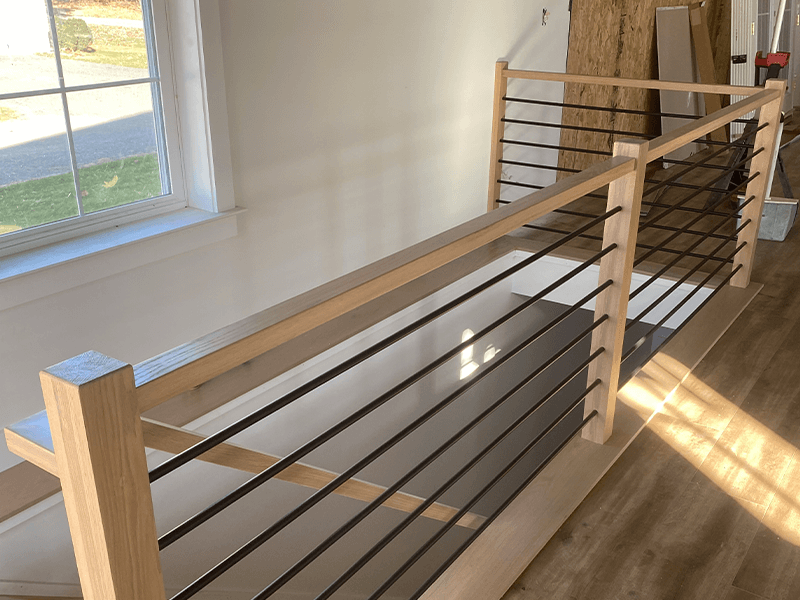
Example: A sleek, horizontal metal railing paired with floating wooden treads can give your entryway a bold modern flair, while wrought iron balusters combined with oak handrails evoke timeless elegance.

2. Improve Safety Without Sacrificing Style

Safety is a non-negotiable when it comes to staircases. Custom railings provide the opportunity to meet or exceed building codes while still maintaining aesthetic appeal. They can be designed with the proper height, spacing, and durability to ensure safe navigation for everyone — from young children to older adults — without compromising visual harmony.

At Darby Stair Renovations, we prioritize both safety and design, ensuring every custom railing is built to last and engineered for comfort and peace of mind.

Key Benefits of Custom Railings

1. Tailored Design Options

With custom railings, you are not limited to the cookie-cutter options offered at big-box retailers. Instead, you can choose from a variety of materials, styles, finishes, and patterns to create a unique look.

Popular Custom Railing Options:

  • Wood: Ideal for traditional homes. Can be stained or painted to match existing décor.
  • Metal: Offers a modern, industrial feel. Powder-coated finishes enhance durability.
  • Glass: Perfect for open, airy spaces. Frameless or framed options available.
  • Cable Railings: A popular choice for minimalistic and contemporary styles.

2. Increase Home Value

High-quality, custom railings not only enhance your home’s aesthetics and safety but also increase its overall value. Potential buyers often view a beautifully renovated staircase as a sign of a well-maintained home. This visual “wow” factor can set your property apart in a competitive market.

3. Durability and Craftsmanship

Mass-produced railings may be inexpensive, but they often lack the longevity and detail that custom railings provide. Custom railings from Darby Stair Renovations are handcrafted using premium materials and precise workmanship, ensuring they stand up to daily wear and tear for years to come.

4. Personalized Functionality

Every home — and family — has unique needs. Custom railings can be designed to accommodate special requests like:

  • Child-safe spacing between balusters
  • Added support rails for aging-in-place designs
  • Integrated lighting or decorative accents
  • Easy-to-grip handrails for comfort and ergonomics

How Darby Stair Renovations Enhances Your Home with Custom Railings

With decades of hands-on experience, Darby Stair Renovations brings a meticulous eye for detail and a passion for quality to every project. We don’t just install railings — we design and build stairway solutions that transform homes.

Our Process:

  1. Consultation & Vision Planning: We listen to your ideas and assess your space.
  2. Design Development: Choose materials, colors, styles, and finishes.
  3. Precision Fabrication: Every component is built to specification.
  4. Expert Installation: Installed safely and professionally with minimal disruption.

Our team has successfully renovated countless staircases throughout [region/city], earning a reputation for excellence in both craftsmanship and customer service.

Practical Tips for Choosing the Right Custom Railing

Choosing a custom railing can feel overwhelming — but it doesn’t have to be. Here are some tips to guide your decision:

1. Match with Interior Themes

Choose materials and styles that complement existing design elements in your home. For example, pairing dark iron balusters with walnut treads can echo a farmhouse or craftsman vibe.

2. Prioritize Safety

Ensure your railing meets local building codes. Darby will take care of this for you, but it’s good to ask about height regulations, baluster spacing, and railing strength.

3. Consider Maintenance

Wood requires regular care, while metal and glass are typically lower maintenance. Think about the time you’re willing to invest in upkeep.

4. Think Long-Term

Trendy styles may be tempting, but timeless designs ensure your railing doesn’t feel dated in a few years. Our design experts can help you strike the perfect balance.

Common Custom Railing Use Cases

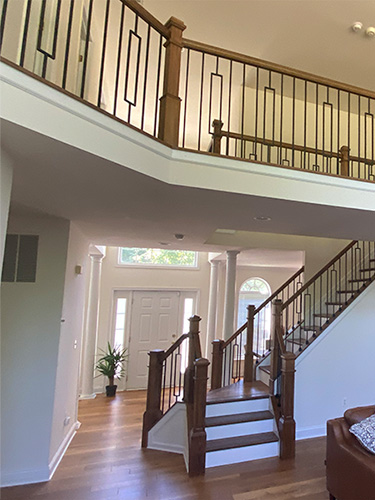
  1. Entryway Overhauls: First impressions matter. A striking new railing can make your foyer feel upscale and inviting.
  2. Second-Story Balconies: Glass or cable railings can open up visual space and maintain sightlines.
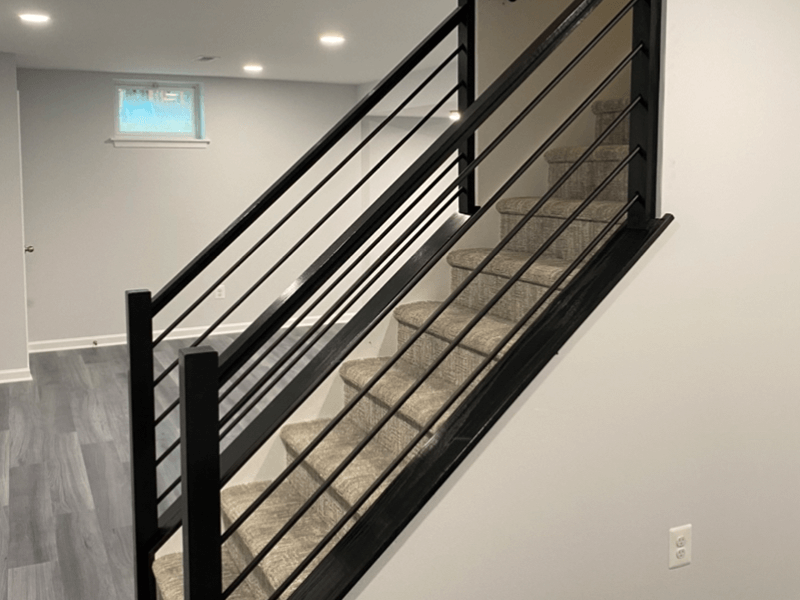
  3. Basement Stairs: Don’t neglect your lower level. A stylish railing can bring cohesiveness to your home’s overall design.
  4. Multi-Level Homes: Matching railing designs across levels creates a harmonious flow from one floor to the next.

Final Thoughts: Make a Statement with Custom Railings

Custom railings are more than just a home improvement — they’re a design investment. From boosting safety to enhancing aesthetics, they play a vital role in defining the character and comfort of your home. When thoughtfully designed and professionally installed, a custom railing can make your entire home feel elevated.

If you’re planning a staircase renovation or simply want to update your trim or railing, Darby Stair Renovations is your go-to partner. We offer tailored solutions, premium materials, and expert craftsmanship that ensure your vision becomes a stunning reality.

Ready to Transform Your Stairs?

Contact Darby Stair Renovations today to schedule a free consultation and get started on your dream stairway project. Our friendly, professional team is here to help you explore design ideas, choose the right materials, and bring your renovation to life.

Call us: [Your Phone Number]
Email: [Your Email Address]
Visit us: [Your Website URL]
Service Area: Serving [Location/Region] and surrounding areas.

Let’s make your stairs the centerpiece of your home.

A Complete Guide to Modern Staircase Renovations

When it comes to home improvement, few upgrades offer the immediate visual impact and lasting value of a staircase renovation. Whether you’re dealing with worn-out treads, outdated railings, or basic builder-grade designs, transforming your staircase can completely change the feel of your home.

In this article, we’ll walk you through everything you need to know about modern staircase renovations and explain how our team can help you achieve your dream staircase.

Why Renovate Your Staircase?

Beyond helping to move between floors, staircases are a central design feature in many homes. Renovating them can deliver numerous benefits, such as enhanced curb appeal, improved safety, increased home value, and the opportunity to reflect your personal taste. A well-designed staircase sets the tone for your interior and adds a touch of sophistication and functionality that other renovations can’t match.

Popular Modern Staircase Styles

Homeowners today want staircases that function as design statements. Here are some of the most popular modern renovation styles:

  • Open Riser Staircases: These create a light, airy feel and are ideal for contemporary spaces. They allow for greater light flow and emphasize minimalist aesthetics.
  • Floating Stairs: Cantilevered stairs give the illusion of floating steps. They offer a sleek, architectural look, especially when paired with glass or metal railings.
  • Cable and Glass Railings: Replacing traditional wooden balusters with cable or glass railings opens up the space visually. These materials lend a modern touch and require minimal maintenance.
  • Mixed Material Combinations: Wood treads with metal or iron railings, glass with steel—these combos are a staple of modern design and create beautiful contrast and interest.

Key Components of a Staircase Renovation

A modern staircase renovation involves more than just swapping out a few parts. Understanding certain components can help you make better decisions.

  • Treads and Risers: These take the most wear. Replacing carpeted or scuffed treads with hardwood like oak or walnut adds instant luxury. Painted or patterned risers add contrast and visual appeal.
  • Railings and Balusters: Swapping outdated railings for iron, cable, or glass upgrades both safety and style. Square or geometric designs are trending and offer a sleek or bold look.
  • Newel Posts: These anchor your railing system and are ideal for making a statement. Modern square posts in dark finishes or natural wood are a popular choice.
  • Trim and Moulding: These finishing touches improve the look of the entire staircase. Clean lines or custom millwork can make a significant impact and pull the design together.

How Darby Stair Renovations Can Help

At Darby Stair Renovations, we bring years of hands-on expertise to each project, making your staircase renovation both seamless and visually striking. We begin with a custom design consultation, recognizing that no two homes—or staircases—are the same. Our team takes the time to understand your style preferences and recommend the best materials and layout to match your space.

We’re committed to high-quality craftsmanship, using premium materials and refined techniques that ensure your staircase is not only beautiful but built to last. Our work is efficient and respectful of your home; we keep our workspace clean and aim to complete most renovations in less than a week.

Most importantly, we prioritize safety. Every installation is done to meet building code standards, from the height of your handrails to the depth of each step—because your family’s safety is just as important as the final look.

Practical Tips for Planning Your Staircase Renovation

To make the most of your staircase renovation, consider these practical tips:

  • Set a Realistic Budget: Renovation costs vary based on complexity, size, and material choices. Determine your budget early and let us guide you to the best solutions within it.
  • Think About Traffic: If your staircase is a main thoroughfare, focus on durable materials and finishes. Hardwoods, metal railings, and low-maintenance trims work best.
  • Coordinate with Your Interior: A staircase should enhance the surrounding space. Match colors, finishes, and styles to your walls, flooring, and furniture for a cohesive design.
  • Don’t Overlook Lighting: Good lighting enhances safety and beauty. Consider installing LED lights on the treads or recessed wall lights for both function and ambiance.

Real-Life Projects from Darby Stair Renovations

Here are just a few ways we’ve helped homeowners refresh their staircases:

  • Modern Revival in a Colonial Home: We replaced builder-grade carpeting with dark oak treads and added white risers and sleek black iron balusters for contrast and sophistication.
  • Open Concept Makeover: In a contemporary townhome, we removed walls surrounding the stairs, added floating treads, and installed clear glass railings—completely transforming the space.
  • Rustic Restoration: For a farmhouse-style home, we used reclaimed wood treads and forged iron railings to bring a cozy, handcrafted charm to the entryway.

Common Mistakes to Avoid

To ensure your staircase renovation delivers lasting value and safety, there are a few common missteps worth avoiding. One of the biggest is overlooking building codes. Details like the rise and run of each step or the sturdiness of railings aren’t just design choices—they’re safety essentials. We take care to make sure every aspect of your staircase complies with local regulations.

Another mistake is selecting materials based solely on appearance. Some woods or finishes may look great but wear out quickly in high-traffic areas. We help you choose options that combine visual appeal with long-term durability.

Finally, it’s important not to focus solely on how the staircase looks. While aesthetics are a big part of any renovation, function, and safety should never take a back seat. A well-renovated staircase should feel as good to use as it looks in your home.

FAQs About Staircase Renovations

  1. How long does a renovation take? Most projects take between 2 and 5 days, depending on size and scope.
  2. Do I need to replace everything? Not always. Sometimes, refinishing treads or upgrading railings is all it takes to refresh your staircase.
  3. What if my stairs are squeaky or uneven? We’ll inspect the structure and reinforce or replace any unstable components before beginning aesthetic upgrades.

Let Darby Stair Renovations Transform Your Home!

Your staircase should be more than just functional—it should be a statement piece. Whether you’re looking to modernize an outdated design, enhance safety, or increase your home’s value, Darby Stair Renovations is here to help.

We specialize in staircase makeovers, railing replacements, trim installations, and complete staircase rebuilds. Our team delivers results with unmatched craftsmanship, attention to detail, and customer care. Contact us today to experience the difference for yourself!

DIY vs. Professional Staircase Installation: What to Consider

Torn between having a professional handle your staircase installation or just doing it yourself? Well, installing a staircase is a major project that requires careful planning, precise measurements, and structural expertise. While a DIY approach may seem cost-effective, professional installation ensures safety, durability, and compliance with building codes. Before deciding which route to take, it’s important to weigh factors like skill level, tools, time commitment, and long-term reliability.

Understanding Staircase Installation

Choosing between DIY and professional staircase installation depends on factors like skill level, budget, and project complexity. While both approaches aim for a functional and visually appealing staircase, they differ in execution, precision, and potential risks.

DIY installation offers flexibility and cost savings, making it an option for homeowners with carpentry skills. It allows for customization but requires careful planning and attention to safety.

Professional installation, on the other hand, ensures expert craftsmanship, precise measurements, and compliance with safety standards. Experienced installers handle intricate details, reducing the risk of errors or structural issues.

Deciding between DIY and professional installation comes down to balancing expertise, time, and resources to achieve the best outcome for your home.

DIY Staircase Installation: Pros and Cons

DIY staircase installation is an appealing option for homeowners looking to cut costs and customize their design. It provides hands-on experience and the satisfaction of completing a home improvement project independently.

However, DIY installation comes with challenges. Measurement errors, material mismatches, and structural miscalculations can lead to costly mistakes. The process requires time, patience, and a solid understanding of carpentry to ensure safety and durability.

While a DIY approach offers creative freedom and potential savings, it may lack the precision and structural integrity that professionals provide. Homeowners must carefully assess their skill level and project demands before committing to this route.

Professional Staircase Installation: Pros and Cons

Hiring professionals for staircase installation ensures accuracy, durability, and compliance with safety regulations. Skilled technicians bring experience and specialized tools that reduce the risk of errors that could compromise the structure.

Professional installers also work efficiently, completing projects faster than most DIY attempts. Their expertise is especially valuable for complex designs, where precision and stability are important.

However, professional services come at a higher cost than a DIY approach. While the investment may be significant, it guarantees quality workmanship, long-term reliability, and peace of mind.

Key Factors to Consider When Choosing DIY vs. Professional Installation

Deciding between DIY and professional staircase installation depends on budget, skill level, and project complexity. DIY installation can save money but requires hands-on expertise, while professional installation ensures precision and compliance with safety standards.

The scope of the project is a primary factor. Complex designs or measurements often benefit from professional handling, as this reduces the risk of costly mistakes.

Safety is another critical consideration. Professionals follow building codes and use tested techniques, whereas DIY projects require extra caution to meet safety requirements.

Homeowners must also balance design control and quality. DIY offers full customization, while professional installation delivers expert craftsmanship and long-term reliability.

When to Hire a Professional

Hiring a professional is the best option for staircase designs that require precision and compliance with building codes. Experts reduce the risk of costly mistakes by ensuring accurate measurements and structural integrity.

Custom fittings and intricate cuts also demand skilled craftsmanship. Professional installers have the experience and tools to deliver a secure and durable staircase.

For homeowners with little construction experience, professional assistance helps avoid errors that could lead to additional expenses or safety concerns.

Besides, if the project is time-sensitive or involves unique design elements, professionals provide efficient execution and high-quality results, ensuring a smooth and reliable installation.

When DIY Might Be a Viable Option

DIY staircase installation is a great option for homeowners with basic carpentry skills and enough time to complete the project. It allows for hands-on control over design and execution while saving on labor costs.

For those who enjoy learning new techniques, a DIY approach can be both educational and rewarding. Managing each step independently provides a sense of accomplishment and customization.

Simple staircase designs are best suited for DIY installation, especially when advanced skills aren’t required. With careful planning and the right tools, homeowners can handle straightforward projects successfully.

A well-organized DIY project with accessible materials and strict adherence to safety guidelines can yield reliable results. However, precision and attention to detail are necessary to avoid costly mistakes.

In Need of Professional Installation?

At Darby Stair Renovations, we specialize in transforming staircases with precision, craftsmanship and high-quality materials. With years of experience in the staircase industry, our team is dedicated to delivering exceptional results that match your home’s unique style. If you’re looking for expert guidance or a professional installation, contact us today for a consultation and take the first step toward having a stunning staircase.