
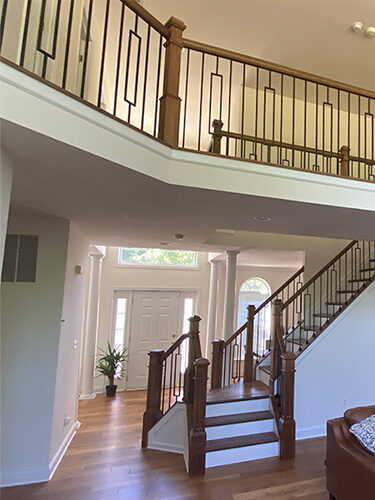
A staircase is more than just a way to get from one floor to another. In many homes, it’s a central architectural feature that can define the entire aesthetic of a space. However, outdated, damaged, or poorly designed stairs can harm your home’s appeal and safety. That’s why many homeowners turn to staircase renovations—to modernize the look, improve functionality, and increase overall value. But before you dive into a stair remodel, there are a few crucial steps to take to ensure the process goes smoothly.
After years in the stair building business, our team at Darby Stair Renovations has become experts at the process of renovating a staircase. Now, we want to pass on our years of knowledge to you and help you have a successful and stress-free renovation. So whether you’re planning a small update or a full staircase transformation, here’s what you need to know before getting started.
Define Your Staircase Goals
Every staircase renovation should begin with a clear understanding of your vision and priorities. Are you aiming to modernize a dated staircase with contemporary materials? Do you want to improve safety for young children, pets, or aging family members? Perhaps your focus is on adding architectural charm with elegant moulding, custom trim, or unique tread designs. You might even want your staircase to match seamlessly with recent renovations in other areas of your home.
Defining these goals early ensures your project stays on track. It allows you to make informed decisions about materials, finishes, and structural changes that support your desired outcome. For instance, homeowners seeking a grand and inviting entryway might select rich hardwood railings, ornate newel posts, and detailed wainscoting to create a show-stopping focal point. On the other hand, those striving for a modern, minimalist feel may prefer sleek metal balusters, glass panels, and clean-lined handrails. By clarifying your staircase goals from the start, you set the foundation for a renovation that enhances both your home’s style and its long-term value.
Assess the Current Structure
Once your goals are defined, the next step is understanding what you’re working with. Before selecting new materials or finalizing your staircase design, it’s crucial to understand the condition of your existing structure. While you may have already addressed visible concerns, it is not uncommon for there to also be hidden issues that could impact the renovation process. That’s why any stair renovation should begin with a comprehensive inspection to assess structural integrity, check for building code compliance, and evaluate any wear-and-tear that may have developed over the years.
This detailed assessment allows you to determine whether reinforcements or repairs are necessary before moving forward with any upgrades. For example, if you are planning to swap traditional wood balusters for heavier wrought iron or glass panels, the underlying framework must be able to support the additional weight. By identifying these requirements early, you can avoid costly delays, unexpected expenses, and safety hazards during construction.
Understand Local Building Codes and Safety Standards
A thorough evaluation naturally leads to the next consideration—ensuring your renovation meets all local building codes and safety requirements. These standards outline critical specifications for tread depth, riser height, handrail height, and the spacing between balusters. They are designed to ensure safety by setting a standard for structural stability and minimizing the risk of falls.
Overlooking these requirements can have serious consequences. Non-compliant staircases may lead to costly modifications or even legal complications during a home inspection or sale. For homeowners, this means that cutting corners on compliance can ultimately be far more expensive and stressful than doing it right the first time.
Working with a professional stair renovation company ensures every measurement, material choice, and installation method aligns with current safety standards. An experienced contractor will not only help you achieve your desired look but will also make sure your new staircase is structurally sound and code-compliant. By prioritizing both aesthetics and safety from the start, you’ll enjoy a staircase that is beautiful, functional, and fully approved for everyday use.
Budget Realistically—and Build in a Buffer
Once you have addressed any compliance concerns, it’s time to focus on your budget. Establishing a clear and realistic budget is one of the most important steps in a successful staircase renovation. The most practical approach is to start with what you are comfortable spending on materials. The cost difference between hardwood and engineered wood can be significant. So while you may have visions of a grandiose, solid wood staircase, you need to be pragmatic about whether your budget can support that dream.
While determining your budget for materials, labor, and finishing details is the most obvious step in budgeting, it is equally important to account for the unexpected. Performing due diligence before starting your project significantly helps to minimize surprises, but you should still always leave room in your budget for potential roadblocks that may come up during the renovation. Additionally, shifts in material availability, shipping delays, or design changes mid-project can all increase costs.
To avoid financial stress and project delays, we recommend building a contingency of at least 10–15% into your budget from the start. This safety net ensures you have the flexibility to address surprises without compromising quality or design. It also allows for small upgrades—like choosing a more durable hardwood species or upgrading to custom metal balusters—without exceeding your financial limits.
Choose Materials That Balance Style and Durability
When you have a reliable budget mapped out, you can then focus on selecting your materials. The quality of materials directly impacts both the look and the long-term performance of your staircase. Hardwood remains a top choice for treads and handrails because of its durability, classic beauty, and ability to be refinished over time. Species such as oak, maple, and hickory not only offer impressive strength but also provide a wide variety of grain patterns and stain options, making it easy to complement your home’s overall design.
For balusters, homeowners can choose from timeless wooden spindles, sleek metal rods, or intricate wrought iron designs. Additionally, moulding and trim add the finishing touches that tie the staircase into the surrounding architecture. Each material brings its own character and maintenance needs, allowing you to tailor your selection to your aesthetic goals and lifestyle. So whether you prefer the clean, minimalist lines of modern design or the rich detailing of a traditional profile, these elements can be fully customized during the material selection stage.
Consider the Flow of Your Home’s Interior Design
Material choices should also harmonize with your home’s overall interior design. A well-designed staircase should complement, not compete with, the surrounding décor. This means carefully considering how the materials, colors, and architectural style of your stairs will blend with adjacent spaces such as your entryway, living room, or kitchen.
For instance, if your home features a modern kitchen with sleek cabinetry and neutral tones, a contemporary staircase with glass railings and open risers may be the perfect complement. In contrast, a colonial or traditional home might benefit from warm hardwood treads, classic balusters, and understated moulding and trim. Avoid design extremes that disrupt the visual flow. Instead, focus on creating a staircase that feels like an intentional extension of your home’s style.
Timeline Planning and Project Phasing
Creating a clear build timeline is essential for a smooth staircase renovation. The duration of the project can vary significantly based on scope and complexity. Simple upgrades—such as replacing treads, risers, or balusters—may be completed within a few days. However, more intricate work, like custom railing fabrication, detailed moulding installation, or structural modifications, can extend the timeline by several weeks.
Beyond the construction schedule itself, homeowners should plan for the impact on daily routines. Because the staircase is often a central pathway in the home, temporary disruptions to access are likely. Coordinating with your contractor to phase the work strategically can help maintain functionality. For instance, certain steps can be completed in stages to allow partial use of the staircase, or alternative pathways may be arranged if possible.
Effective timeline planning also allows for coordination with other home improvement projects. Tasks like flooring installation or painting need to align with the stair renovation to avoid complications. By approaching the process with a phased plan and open communication, you’ll minimize inconvenience and keep your project on track.
Think Long-Term: Maintenance and Wear
Even the most beautiful staircase needs to withstand daily life. Families with children, pets, or heavy foot traffic should choose durable finishes and materials. Hardwoods like oak, maple, or hickory are excellent choices for treads due to their resistance to dents and scratches. And applying high-quality protective finishes can further shield the surface from daily wear.
If pets are a concern, consider textured finishes or anti-slip treatments to improve safety and reduce visible scuffing. Likewise, choosing baluster and railing materials that are both sturdy and easy to clean—such as powder-coated metal or sealed hardwood—can help maintain a fresh look with minimal upkeep.
By selecting finishes and materials that are resilient, you’ll ensure your staircase remains a functional centerpiece for decades. And while quality materials are the key to a long-lasting staircase, proactive maintenance will still be necessary. Your contractor should be able to explain how to clean and protect your new staircase based on the materials you selected.
Take Your Renovation to the Next Level
While general contractors may offer staircase remodeling as part of a larger renovation, working with a specialist like Darby Stair Renovations ensures that your project receives the attention, craftsmanship, and expertise it deserves. We focus exclusively on stair remodeling, railings, and moulding, which means we bring a level of precision and artistry that few others can match.
Our experience includes everything from restoring historic staircases to designing sleek, modern stair systems with floating treads and custom handrails. So don’t settle for ordinary—let us help you bring your dream staircase to life. Contact Darby Stair Renovations today to schedule your consultation and take the first step toward a safe, stylish, and beautifully crafted staircase that will elevate your home for years to come.