
The Impact of Moulding and Trim on Your Home’s Interior Design

Moulding and trim can transform any space but, for some reason, many homeowners underestimate its role in interior design. These architectural elements provide a finishing touch that can significantly improve the overall aesthetic of a home. From baseboards to crown moulding, their integration brings a cohesive and polished look that connects disparate elements within your space into a unified design. Meanwhile, beyond their apparent aesthetic benefits, they meet a number of functional needs too.

What Are Moulding and Trim?

Moulding and trim are design features used in interiors to add style and define the edges of a room. These elements, like baseboards along the bottom of walls or crown moulding where walls meet the ceiling, help frame a space.

Made from materials like wood, composite, or plaster, they outline doors, windows, and other features, giving the room more depth and character. The designs can be simple or detailed and allow homeowners to choose what fits their style or the room’s design.

Moulding and trim can enhance a room by highlighting high ceilings, framing colorful walls, or adding a subtle contrast to the space. They guide the eye and help create a balanced flow within the room.

Despite their understated presence, moulding and trim can make a big difference in the room’s overall look as they protect walls from damage and add a polished touch.

Enhancing Architectural Style with Moulding and Trim

Moulding and trim are important design features that highlight a home’s style. They can reflect historical design, like the detailed Victorian crown moulding or the clean lines of Modernist trim—adding a sense of time and tradition.

In modern homes, simple trim can emphasize clean, contemporary features and high-quality materials. On the other hand, more decorative moulding can give a room a classical or baroque feel, adding richness and depth.

Choosing the right moulding and trim can raise a room’s elegance. Each piece adds to the overall design, whether it’s drawing attention to a high ceiling or framing a beautiful view.

When chosen carefully, moulding and trim are more than just decorative—they help tie the design together. This thoughtful integration can leave a lasting impression of style and sophistication in your space.

Customization and Personalization

Customizing moulding and trim gives homeowners the chance to add a personal touch to their spaces. There are many options available, from classic wood finishes to modern composites, with different textures and hues to fit any interior design theme.

This personalization enhances the living space, making it reflect the homeowner’s unique taste. By choosing specific profiles, each room can have its own character.

Custom moulding and trim let homeowners take an active role in shaping the design of their homes. This approach transforms ordinary rooms into spaces that match personal lifestyles and preferences.

Personalized moulding and trim extend beyond simple decoration; they allow homeowners to leave a lasting impression on their homes. With personalized moulding and trim, function and custom design can meet to create a warm, cohesive atmosphere.

Practical Benefits of Quality Moulding and Trim

Quality moulding and trim help protect interior walls and surfaces and reduce the wear and tear that comes with everyday use. Their durability acts as a barrier, minimizing the need for frequent repairs or touch-ups.

Investing in high-quality moulding and trim can raise a home’s value by adding a touch of luxury and showcasing attention to detail. These features often stand out in real estate listings and attract potential buyers with their refined and complete look.

Well-constructed moulding and trim also provide practical benefits like better insulation. By sealing gaps, they help prevent energy loss, improving the home’s thermal efficiency and potentially lowering utility bills over time.

In addition to these benefits, moulding and trim can improve acoustics by reducing sound transmission between walls and ceilings. This creates a quieter, more peaceful living environment, especially in homes with high ceilings or open layouts.

Choosing the Right Moulding and Trim for Your Home

When selecting moulding and trim, it’s essential to consider the home’s architectural style and the atmosphere you want to create. The size and design of the trim can influence how space is perceived, such as making rooms feel larger or enhancing ceiling height.

The material you choose also plays a significant role in both the look and durability of moulding and trim. Wood offers timeless appeal and flexibility with stains or paint, while modern materials like MDF or polyurethane are sturdy options that often come in pre-finished colors.

Meanwhile, the finish and color of moulding and trim must complement the home’s overall design scheme. A carefully selected finish ties the different design elements together, achieving a harmonious, unified appearance.

Proper installation is key to achieving the desired look. Professional installation ensures the trim is aligned correctly and fits seamlessly, contributing both to the room’s visual appeal and functionality.

The Role of Moulding and Trim in Staircase Design

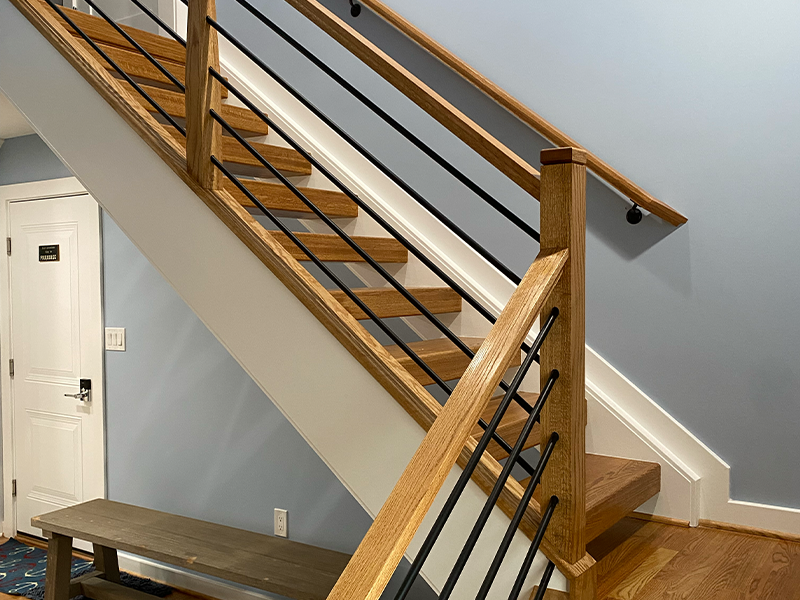
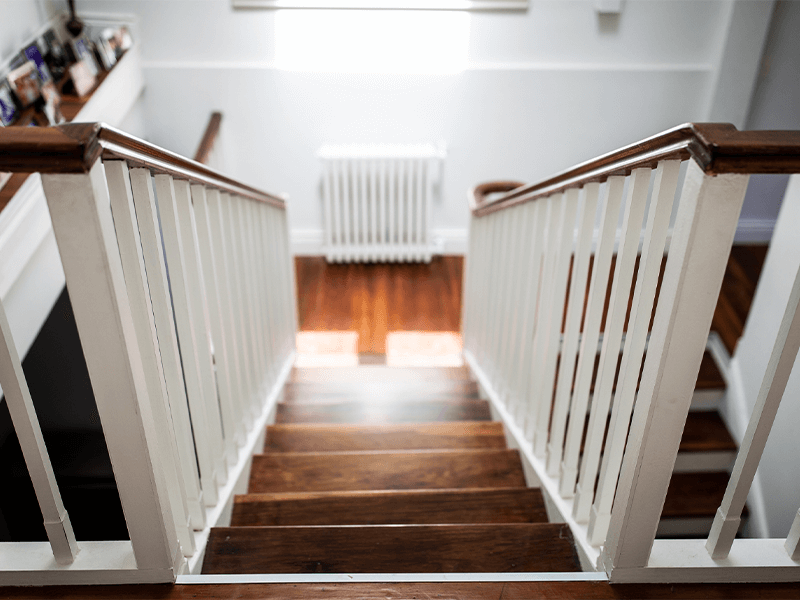
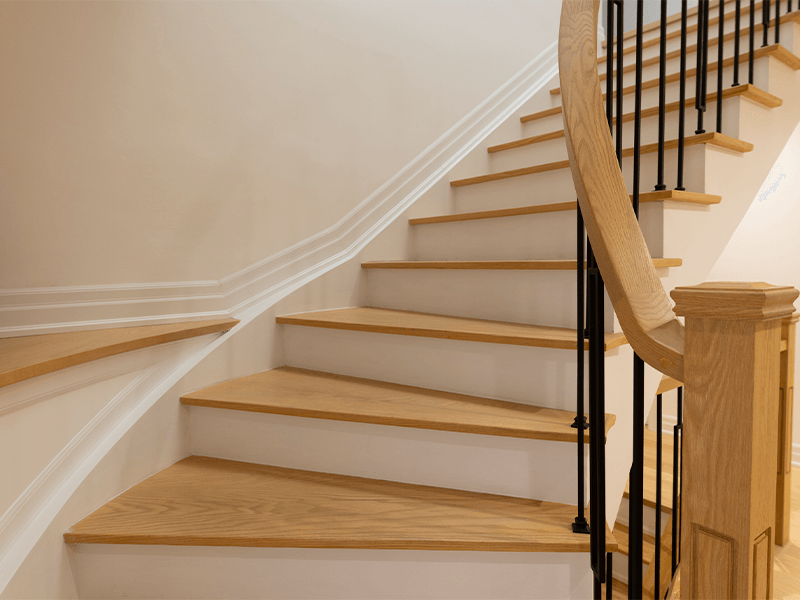
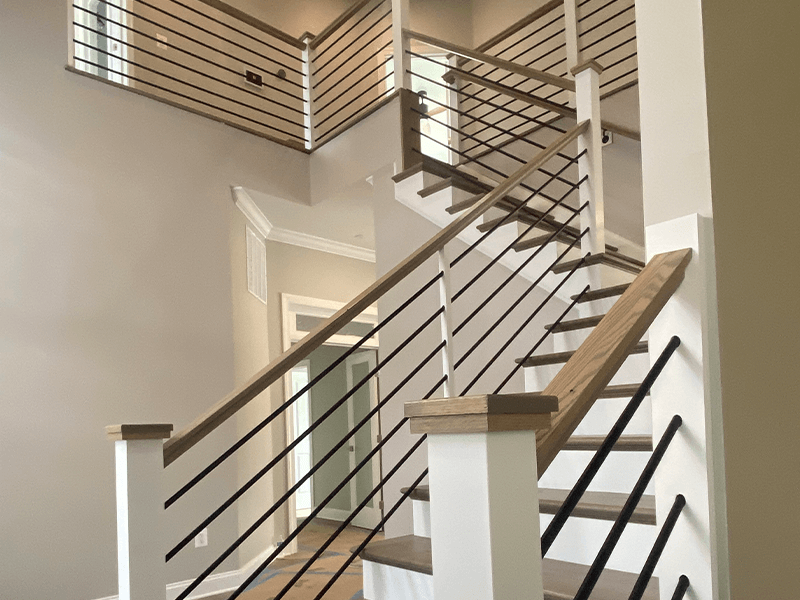
Moulding and trim play an essential role in staircase design and enhance both the visual appeal and functionality of this key architectural element. These accents frame each step and can transform a functional staircase into a striking feature that adds elegance to the home.

The right trim can highlight the craftsmanship of the staircase, drawing attention to the connection between levels and reinforcing the overall design of the home. Carefully chosen moulding can also elevate a simple staircase into a focal point that reflects the home’s aesthetic style.

In addition to their decorative function, moulding and trim help protect the edges of stairs from damage. Durable materials ensure the staircase remains intact and visually appealing, even in high-traffic areas.

To achieve a polished look, the trim must align perfectly with the treads, risers, and stringers. Professional installation ensures the details come together seamlessly and allows the staircase to blend form and function effectively.

Trends in Moulding and Trim for Modern Homes

In modern homes, the focus is on clean lines and minimalist designs, with homeowners favoring sleek, flat-trim profiles. These designs blend seamlessly with contemporary aesthetics, offering a subtle texture that enhances the overall look of walls and ceilings.

Recently, eco-friendly materials have gained popularity, driving the use of sustainable options like bamboo and reclaimed wood. These materials not only contribute to environmental sustainability but also provide unique grains and tones that add character to interior spaces.

Customization is also key, with paintable trim profiles allowing for bold statements or more understated designs. By matching trim color to wall hues, homeowners and designers can achieve a precise and cohesive look that reflects their specific style.

Advancements in technology have further influenced moulding and trim trends, with LED lighting integration becoming increasingly common. This innovation adds both ambiance and functionality and offers a lighting solution that traditional moulding alone cannot provide.

Add Character to Your Home!

At Darby Stair Renovations, we understand that enhancing your staircase with expertly crafted moulding and trim not only elevates the design but also adds lasting value to your home. We also know that attention to detail is necessary to create a seamless blend of architectural beauty and functionality. As such, we specialize in transforming spaces with precision-crafted details that make a lasting impact. Contact us today to experience how our custom staircase moulding and trim can bring sophistication and character to your home!

Top 5 Signs It’s Time to Upgrade Your Staircase

Many homeowners often overlook how important a well-maintained staircase is, yet it serves as a central feature in many homes. Over time, signs of wear and tear can become apparent, signaling the need for an upgrade. This decision not only affects the aesthetics of one’s home but also the safety and functionality of the staircase. However, recognizing when to invest in a staircase renovation can be challenging for most.

Visible Wear and Tear

The first sign that your staircase might need an upgrade is often the noticeable scratches, dents, and scuffs on the steps. These visible marks not only make the staircase look worse but can also indicate deeper structural problems.

Discoloration and fading suggest that the staircase has experienced significant wear or has been exposed to sunlight. These signs mean the materials are aging and might not be as durable or safe as they were when new.

Chipped or missing pieces from the steps or handrails, on the other hand, are clear signs of wear that need immediate attention. They not only weaken the structure but can also create safety risks for users.

Meanwhile, if homeowners hear a persistent squeaking sound when using the stairs, it usually points to loose parts within the staircase. This sound is a warning that a closer inspection is needed, and it may be time to consider an upgrade to ensure stability and prevent accidents.

Outdated Design

A staircase’s design often reflects the homeowner’s taste and the style of a certain era. Over time, a once modern staircase can start to feel outdated as design trends change. When a home’s interior looks updated, but the staircase doesn’t match, it can make the whole space feel disconnected.

If the staircase no longer fits with the current decor, it can disrupt the overall look of the home. A mismatched staircase can take away from the cohesive design of a space, especially when other parts of the home are being renovated for a fresh, modern look.

Sometimes, the design of the staircase might not meet the practical needs of the household anymore. A staircase that is too narrow or too steep may be difficult to use, making a redesign necessary for better accessibility and ease of movement within the home.

An outdated staircase can also impact a property’s market value. Potential buyers are often drawn to homes with modern features, and an updated, stylish staircase can make a big difference. Upgrading an old staircase, therefore, not only improves the look of the home but can also increase its appeal to future buyers.

Safety Concerns

Ensuring staircase safety is crucial, and one clear sign that it’s time for an upgrade is when steps become uneven or wobbly. These issues increase the risk of trips and falls, especially for children or the elderly, and make a renovation necessary to improve safety.

Another safety concern is the condition of the handrail. If it’s loose, too low, or missing, it becomes harder to safely use the stairs. Fixing or installing proper handrails is an important part of making the staircase safer.

If the stairs creak excessively, it could be a sign that the structure has weakened. While creaking may seem minor, it often points to problems that could lead to accidents. Additionally, staircases that don’t meet current building codes, like improper step height or gaps between balusters, pose significant safety risks. Updating the staircase to meet these codes not only ensures compliance but also helps create a safer home environment.

Creaking or Squeaking Noises

Frequent creaking or squeaking as you move up and down the stairs is a clear sign that a staircase may need an upgrade. These noises often signal loose boards, worn-out treads, or weakened joints—issues that affect both the safety and functionality of the staircase.

If the sounds occur consistently, it’s a sign that immediate attention is needed. Occasional creaks might point to isolated trouble spots, but constant noise likely indicates a broader structural problem. Addressing these issues early on can preserve the staircase’s integrity and extend its lifespan.

Structural weaknesses are often the root cause of creaking and squeaking. If not properly dealt with, these small problems can escalate, leading to costly repairs down the line. While routine maintenance can help reduce the noise, persistent creaking typically calls for a more thorough renovation.

Homeowners should not dismiss these noises as mere annoyances. They reflect the overall condition of a key part of the home and may signal potential safety hazards that require prompt staircase upgrades.

Desire for Better Functionality

Changes in family size or mobility needs often highlight the limitations of an existing staircase, indicating the need for an upgrade. Wider stairs, gentler slopes, or additional handrails may become necessary to accommodate a growing household or to enhance accessibility.

As multi-use spaces gain popularity, staircases that integrate storage or other functional design elements are increasingly sought after. Upgrading a staircase to include these features can improve the overall efficiency and practicality of a home’s layout.

For those who regularly move large items between floors, a narrow or steep staircase can make this task cumbersome and unsafe. In such cases, upgrading to a more spacious design eases movement and reduces the risk of damage or injury.

Additionally, the staircase’s placement significantly affects the flow of a home. Reassessing its location can improve spatial connectivity and create a more seamless transition between different areas, making the entire living space more functional and cohesive.

Is It Time to Upgrade Your Staircase?

At Darby Stair Renovations, we specialize in transforming worn-out staircases into stunning, safe, and durable focal points that enhance the overall charm of your home. Our team of experts is dedicated to delivering top-quality craftsmanship, tailored to fit your unique style and requirements. Don’t wait until minor issues become major concerns—contact us today for a consultation and take the first step toward a safer, more beautiful home.

Increase Your House’s Value With a New Staircase

Upgrading the home’s staircase can be compared to using one stone to kill two birds. This often-overlooked feature, which connects various levels in a home, can both complement your home’s style and boost its market value when carefully designed to embody stellar craftsmanship. However, to get the best of these benefits, it is important to invest in the right type—a decision that demands a thorough understanding of materials, design, and style.

Why a New Staircase Can Increase Your House’s Value

A new staircase can become a standout feature, immediately catching attention and setting the tone for your home’s interior. It can make your home more appealing to potential buyers, offering something special in a competitive market.

Upgrading to modern materials and designs can also turn an outdated staircase into a reflection of current trends. Using high-quality wood or sleek metal fixtures not only refreshes the space but also adds a sense of luxury that many buyers look for.

Besides, a new staircase can improve the flow between floors, making the home feel more open and spacious, which appeals to buyers. Safety upgrades, like replacing old steps or adding strong handrails, also add value. These improvements show care for the home’s upkeep, giving buyers confidence in the property’s overall condition.

Types of Staircases to Consider

If you’re thinking about renovating your staircase, a straight staircase is a popular choice for its simple design and easy installation. This classic style works well in most homes and can be customized with different materials to fit your decor.

A spiral staircase is another option, especially if you want to save space while adding a bold look to your home. Perfect for smaller spaces, spiral staircases are eye-catching and can become a unique feature.

For larger spaces, a curved staircase can make a big impact. These elegant staircases sweep between floors, giving your home a luxurious feel and potentially boosting its value.

L-shaped or quarter-turn staircases offer a middle ground between straight and more elaborate designs. They are both practical and stylish, allowing for creative placement and adding a visually interesting transition between floors.

Key Features to Enhance Value

Using quality materials is essential for a long-lasting staircase that appeals to buyers. Durable woods like oak or stylish details like wrought iron balusters add a sense of elegance and permanence.

Good lighting is also important in a staircase renovation. It not only improves safety but also highlights the design. Well-placed light fixtures can create a nice atmosphere and show off the craftsmanship.

Adding storage, like built-in drawers or space under the stairs, makes the staircase more functional and attracts buyers looking for efficient use of space. These smart design features can help a home stand out.

More so, incorporating modern design elements can update a staircase, giving it a sleek, contemporary look. Clean lines and minimalist styles appeal to today’s buyers and show that the home is in line with current trends.

The Renovation Process

The staircase renovation starts with a detailed assessment of the current structure to see what needs fixing and define the scope of the project. Homeowners should consult professionals to decide if their vision is realistic, whether it’s a full replacement or just a cosmetic update.

After the plan is set, choosing the right contractor is the next step. A good contractor has both construction expertise and design sense, and they’ll make sure the project follows local building codes and standards.

During the design phase, careful attention to detail is crucial. Homeowners, working with designers or architects, will select materials, colors, and finishes that fit their style and match the overall look of the home.

Throughout the renovation, regular communication between the homeowner and the contractor keeps the project on track and within budget. Final touches and quality checks ensure the new staircase meets expectations and adds value to the home.

Maintenance and Longevity

Regular maintenance is the only way to keep a newly renovated staircase looking good and lasting long. This includes cleaning it often, checking for any loose parts, and fixing wear and tear quickly. Choosing durable materials, like hardwoods such as maple or cherry, helps ensure the staircase stands up to heavy use and stays looking great with minimal effort.

Using the right sealants and finishes can also protect the staircase from damage caused by humidity and sunlight. These coatings help keep the wood in good shape and maintain the staircase’s overall look. 

Additionally, getting annual inspections by professionals can catch any potential problems early, preventing expensive repairs and keeping the staircase structurally sound. This proactive maintenance helps ensure the staircase remains a valuable part of the home.

Increase Your House’s Value!

At Darby Stair Renovations, we specialize in creating custom solutions that seamlessly blend style, safety, and functionality. Ready to transform your staircase? Contact us today for a free consultation and take the first step toward elevating your home’s interior.

Transformative Benefits of Renovating Your Staircase

Homeowners often overlook the staircase when considering home improvements. However, this structure can significantly alter a home’s aesthetics, enhance the safety of occupants, and increase its value. The best part? The renovation does not have to be a complete overhaul. Even subtle changes can update the functionality and sustainability of the staircase, uplifting the design and feel of your living space.

Enhanced Safety

Staircase renovations start with a focus on safety, addressing issues like worn-out steps, loose handrails, and poor lighting. These updates make each step secure and easy to see, which is especially important for families with young children or people with mobility challenges.

Using modern materials can greatly improve the durability and slip resistance of a staircase, crucial for an area that’s heavily used. By selecting the right materials, homeowners can keep the staircase in good shape and prevent future wear, adding to the overall safety of the home.

As building codes evolve, older staircases might not meet current safety standards. Renovating ensures that the staircase complies with the latest regulations, protecting homeowners from potential legal issues and providing a safer environment for everyone who uses the stairs.

Adding extra safety features like extended handrails, non-slip surfaces, or gentler steps can further reduce the risk of accidents. These thoughtful design choices show that safety and style can go hand in hand, creating a staircase that is both functional and attractive.

Aesthetic Transformation

Renovating a staircase can significantly change the look of a home. Introducing new materials like glass or polished wood can add a modern or timeless touch, setting the tone for the entire home’s decor.

Choosing the right colors and materials can brighten up a previously dull area, making it feel more open and sophisticated. This not only revitalizes the staircase but also enhances the overall feel of the surrounding spaces.

Classic design features like ornate balusters and hand-carved posts can add character and charm, reflecting the homeowner’s style and adding to the home’s unique design. A well-redesigned staircase can become a standout feature, turning a functional area into a striking visual element—much like a piece of art within the home.

Increased Home Value

Renovating a staircase can boost the value of a home. Updating this key feature often results in a solid return on investment, as a modern and visually appealing staircase is attractive to potential buyers.

A well-maintained, stylish staircase can be a strong selling point. During appraisals, an updated staircase is usually valued higher, thanks to its improved safety features, modern materials, and overall design appeal.

The choice of materials and craftsmanship in a staircase remodel also significantly impacts the home’s value. Using luxury materials like hardwood, ornamental ironwork, or glass railings can create a sense of luxury and careful upkeep, which tends to attract higher offers.

More so, a staircase that matches the home’s architectural style enhances the overall aesthetic, giving the space a cohesive and thoughtfully designed feel. This harmony can make the entire home more appealing, increasing its market value.

Improved Functionality

Renovating a staircase isn’t just about looks—it can also make daily use more practical. Homeowners can customize the design to better suit their lifestyle, adding features that improve comfort and convenience.

In homes where space is limited, a renovated staircase can include smart storage options. For example, under-stair drawers or shelves can help reduce clutter by providing storage for items that would otherwise take up valuable space elsewhere.

The layout of a staircase can have a big impact on how a home feels and functions. A redesign can change the staircase’s footprint, improving access and creating a more open, inviting atmosphere.

Lighting is key to a staircase’s functionality, and a renovation offers the chance to add energy-efficient lighting. Well-placed lights not only make the staircase safer but also enhance the ambiance of the space, blending utility with aesthetic appeal.

Sustainable and Eco-Friendly Options

Opting for sustainable materials in a staircase renovation benefits both the environment and the home’s indoor air quality. Using reclaimed wood or responsibly sourced timber reduces the carbon footprint of the project while avoiding harmful chemicals often found in synthetic materials, creating a healthier living space.

Eco-conscious homeowners might choose materials like bamboo, which is strong and rapidly renewable. These choices align with green building practices, offering both durability and a smaller environmental impact, contributing to a more sustainable home.

Energy efficiency is another advantage of eco-friendly staircases, especially when LED lighting is integrated. These lights use less energy and last longer, reducing waste and the need for frequent replacements.

Meanwhile, incorporating recycled metals like aluminum or steel in handrails and balustrades can enhance both the look and sustainability of the staircase. These materials often come from sources with high recycled content, reducing the need for new raw materials and lowering the overall environmental impact of the renovation.

Invest In the Future of Your Space!

Specializing in custom stair and railing solutions, we bring your vision to life with expert craftsmanship and high-quality materials. Whether you’re looking for a modern upgrade or a timeless design, our team works closely with you to create a staircase that enhances both the beauty and functionality of your home. With Darby Stair Renovations, you’re not just renovating; you’re investing in a stylish, safe, and sustainable future for your living space.

Choosing the Right Railing System for Your Home: A Comprehensive Guide

Selecting the ideal railing system for one’s home is not merely about safety; it involves crafting visual appeal and ensuring continuity with the house’s architectural style. Homeowners often grapple with this task, weighed down by various materials, designs, costs, and regulatory considerations that may cloud their decision-making process. 

The search for durability and aesthetics can lead one down a winding path of choices from sleek metal to classic wood, each material bearing its own peculiarities. In truth, only a well-informed homeowner can strike the perfect balance between these criteria.

Understanding Railing Systems

Railings serve more than a safety purpose; they can become integrated design elements, improving the architectural style of a residence. Material selection is a crucial decision, as each option offers distinct advantages and characteristics. Wood railings impart a timeless warmth, while steel railings project an aura of strength and durability. Glass panels, on the other hand, promote openness and unobstructed views, fostering a sense of airiness.

Beyond material selection, design considerations encompass details like baluster style, railing profile, and color finish. These seemingly minor aspects significantly influence the railing’s overall visual impact and the ambiance it creates within a space.

Practical considerations like cost and maintenance requirements play a vital role in determining the feasibility of specific materials and designs. Homeowners must carefully evaluate the longevity and upkeep needs of their chosen system to ensure it aligns with their budgetary constraints and lifestyle. By carefully considering these factors, homeowners can select a railing system that not only complements their home’s aesthetics but also provides lasting functionality.

Material Options for Railing Systems

Choosing a railing material requires balancing aesthetics with functionality. Wood railings, for instance, offer a timeless and warm look that complements rustic or traditional design themes. Their natural beauty enhances the overall feel of your home. However, maintaining this beauty necessitates regular upkeep to combat the wear and tear from the elements.

Metal railings, particularly those crafted from aluminum or steel, prioritize strength and durability. This characteristic makes them a popular choice for modern and industrial design schemes. Aluminum shines for its exceptional resistance to corrosion, a vital quality for railings exposed to harsh weather conditions. Steel, on the other hand, impresses with its formidable strength and the potential for intricate designs that can elevate the visual impact of your railings.

If you prefer a sleek and modern aesthetic, then glass railing systems might be the perfect choice for you. Celebrated for their ability to usher in natural light without obstruction, they create a feeling of spaciousness in any area they grace. Advancements in tempering and lamination technologies have significantly enhanced the safety features of glass railings. This makes them a viable option for homeowners who prioritize both unobstructed views and security.

For those seeking a middle ground between the natural aesthetic of wood and minimal upkeep, composite materials offer an attractive solution. These railings strategically blend wood fibers with plastics, resulting in a product that resists the common pitfalls of wood, such as splintering and rotting. Additionally, composite materials come in a range of colors and textures that mimic the organic look of wood, allowing you to achieve the desired aesthetic without the arduous maintenance schedule.

Design Considerations

Choosing railing designs goes beyond just safety. It’s a chance to create a unified look with your home’s architecture. Each design element adds to the overall aesthetic, ensuring the railings complement the unique character of your house.

The shape of the railings themselves plays a big role. Sleek, minimalist lines might best suit contemporary homes, while more traditional styles can benefit from ornate patterns. This creates a visual connection between the house and the railings, making them appear like a cohesive unit.

Light and shadow also influence the feel of your outdoor spaces. Open railings with space between the balusters allow for clear views and natural light, keeping things bright and airy. Conversely, railings with intricate designs can provide privacy and block some sunlight, altering the way light interacts with the space.

Finally, color selection is key. Choosing the right color requires an understanding of how colors work together and the impact they have on your home’s overall exterior. Ideally, you want the color of the railings to either match the rest of your house or create a pleasing contrast.

Installation Considerations

The success of installation hinges on two important decisions: selecting a skilled contractor and ensuring proper timing for the installation itself. Opting for a reputable contractor with a proven track record in railing installations and a commitment to quality workmanship is paramount. Furthermore, verifying their adherence to local building codes and possession of the necessary credentials provides peace of mind throughout the process.

The structural integrity of your railing system rests entirely on a secure and meticulous installation. Precision and meticulous attention to detail is crucial, as factors like anchoring methods, material compatibility, and precise alignment all play a critical role in creating a durable and safe railing system. A skilled installer understands the importance of these details and takes every precaution to avoid compromising the system’s strength and stability during the installation process.

The timing of the installation can significantly impact both the project’s timeline and your budget. Carefully planning the railing installation during a period free from other renovation projects and adverse weather conditions is vital. This proactive approach prevents last-minute complications and allows for any unforeseen adjustments without inflating costs or extending deadlines unnecessarily.

Lastly, consider the future maintenance and accessibility of the railing system during the installation phase. Strategic planning around placement and assembly methods can significantly influence the ease of upkeep, cleaning, and potential repairs down the line. By taking a forward-thinking approach to installation, you can ensure your railing system not only meets your immediate needs but also remains manageable and aesthetically pleasing for years on end.

Maintenance and Longevity

Extending the life of your railings requires choosing a material known for durability and ease of care. Regular check-ups for wear and tear, along with proactive cleaning and repairs, will keep your railings looking good and functioning safely for years to come. By prioritizing durability from the start, you’ll ensure long-term satisfaction and safety.

Metal railings, known for their strength, usually only need occasional cleaning to stay shiny and a protective coat every now and then to prevent rust. This combination of lasting strength and minimal upkeep makes metal railings a good choice if you want a low-maintenance option that will last a long time.

Wooden railings remain popular, but they require more commitment in terms of upkeep. This includes regularly sealing, staining, or painting them. Consistent maintenance protects wood from the elements, preventing rot and ensuring the natural beauty of the grain continues to enhance your home’s exterior.

Glass and composite materials are modern choices that offer high resistance to weather damage and require relatively simple maintenance routines. Glass just needs occasional cleaning to stay clear, while composite materials are very weather-resistant and require minimal attention, saving you time and effort on upkeep.

Transform Your Home Today!

At Darby Stair Renovations, we specialize in crafting custom stair and railing solutions tailored to your unique needs and preferences. Our expert team is dedicated to delivering exceptional quality and service, ensuring your home not only meets safety standards but also exudes elegance and style. Contact us today to transform your staircase and railing into a stunning focal point of your home.

How to Prepare for a Staircase Renovation

While a staircase renovation project is unarguably a valuable investment, it often requires conscious preparation. Homeowners must factor in the structural integrity, style, compliance with building codes, budget, and personal aesthetics, among others, before the project can take place.

As most people believe that the process simply involves selecting a new paint color or carpet runner becomes telling on most homeowners, this realization might be challenging. In this article, we let you in on all you need to know to prepare for a staircase renovation adequately.

Assessing the Current Staircase

Before getting started with your staircase makeover, it’s important to take a good look at what you’re already working with. The first step is to inspect your current staircase for any damage, wear, or weaknesses. Are there loose threads, creaky steps, or cracks in the railings? Addressing these structural issues upfront is crucial to prevent problems later on down the road.

For a more technical evaluation, consider consulting a professional. They can assess the more complicated parts of the staircase structure, from the stability of the supports (stringers and risers) to the security of the handrails. Next, it is important to understand the local regulations, to avoid any unwanted surprises. This might influence your design or material choices, but it’s important to ensure your renovated staircase meets all safety and legal requirements.

Finally, take a step back and consider how your staircase fits into the overall flow of your home. A good staircase should complement the surrounding space. Think about how people move through your home and how the staircase can enhance that flow. If you need some help visualizing this, a professional designer can offer valuable insights and help you create a staircase that integrates seamlessly with the rest of your home’s design.

Setting Your Goals and Budget

Defining clear objectives for a staircase renovation is imperative as it offers direction and influences every subsequent decision. Homeowners should articulate what they wish to accomplish, whether it’s increased safety, improved aesthetics, or perhaps a combination of both. By establishing these goals, you ensure that the final result aligns with your initial intentions and serves the home’s needs effectively.

Creating a realistic budget for a staircase renovation demands thorough research and careful planning. Homeowners must account for the costs of materials, labor, and any unexpected contingencies that may arise. It is wise to obtain quotations from various contractors to gauge the investment needed for the transformation they envision while maintaining a financial cushion for unforeseen expenses.

The assessment of timelines and financial outlays should occur in tandem when preparing for a staircase renovation. Aligning the budget with the project’s scope requires a detailed outlook to avoid mid-project adjustments that could inflate costs or extend the timeline. Homeowners must prioritize crucial aspects of the renovation and allocate resources accordingly to maintain a balance between desire and practicality.

Ensuring a clear understanding of return on investment is another key aspect when setting a budget for a staircase renovation. While some enhancements may significantly increase the property’s value, others could be more about personal satisfaction. Homeowners should evaluate which improvements will be most beneficial in the long run, potentially consulting real estate professionals to discern the most cost-effective upgrades.

Choosing the Right Design and Materials

To select the right design for a staircase renovation, you must factor in your personal taste and an informed understanding of various architectural styles. There are tons of options to choose from, from sleek and modern to classic and traditional. Think about what style best reflects your taste and complements the rest of your home.

Additionally, your staircase renovation should be beautiful and safe. When choosing materials like wood, metal, or glass, consider not just how they look and feel, but also how durable they are and how easy they are to maintain. For example, if you have small children or pets, you might want to choose a slip-resistant material for the treads.

Meanwhile, a great staircase renovation combines style and practicality. Think about how you’ll use the staircase and design it to fit your needs. You could decide to add some storage space under the stairs or incorporate a built-in bench for a cozy reading nook. This ensures the staircase renovation meets both your aesthetic desires and functional needs.

If you’re feeling overwhelmed by all the choices, don’t hesitate to bring in a professional designer. They can help you translate your vision into reality and recommend materials and designs that meet all the building codes and safety regulations. Entrusting this phase to an expert can prove beneficial in achieving a successful and stunning staircase renovation.

Hiring Professionals vs. DIY

One major choice most homeowners must face is whether to hire professionals or undertake the project as a DIY endeavor. While the latter may initially appear cost-effective, the complexity and scope of a typical staircase project often necessitate specialized skills and tools that only professionals possess.

By hiring experienced contractors, you get the peace of mind of knowing the job will be done right, up to code, and with minimal chance of mistakes that could cost you more in the long run. These pros also have a lot of knowledge about different materials and building techniques, which is especially helpful if your renovation involves any structural changes.

On the other hand, if you’re a handy homeowner with some experience under your belt, a DIY staircase renovation can be a very rewarding challenge. There’s a real sense of accomplishment that comes with transforming your home yourself. However, it’s critical to realistically assess your capabilities before committing to a DIY approach.

In the end, the decision to hire professionals or go the DIY route depends on a few key factors: how much time you have, your technical skills, and of course, your budget. Weigh these pros and cons carefully to ensure your staircase renovation ends up being safe, beautiful, and everything you envisioned.

Planning the Renovation Timeline

The initial stage in scheduling a staircase renovation involves mapping out a comprehensive timeline that factors in the scope of the work and any preparatory measures needed. Start by talking to your contractor (if you’re hiring one) to get a realistic idea of how long everything will take. This includes ordering materials and the actual construction itself.

A good schedule will break down the project step-by-step, from the demo to the finishing touches. This roadmap will help you see how the project progresses and avoid any surprises. Also, build in some buffer time! Unexpected things happen during renovations—like finding hidden structural issues or material delays. Factoring in some extra time will help you stay on track and avoid headaches if something unprecedented pops up.

Meanwhile, make sure to keep the lines of communication open with your contractor throughout the project. Regular check-ins will ensure everyone’s on the same page and any adjustments can be made quickly. By working together and communicating effectively, you can ensure your staircase renovation is completed on time and according to your plan.

Preparing Your Home for the Renovation

Preparing your home for a staircase renovation requires some planning to minimize disruption to your daily routine and safeguard your surroundings. Start by moving furniture away from the staircase and covering floors with protective sheeting. You might even want to consider sealing off adjacent rooms with plastic to create a dust barrier. This will protect your belongings and make cleaning up after the renovation a breeze.

If your staircase serves as the main thoroughfare in your home, you’ll need to come up with a temporary plan to ensure continued safe and easy access throughout the renovation. Do you have a back staircase? Can you create clear passageways through other parts of the house? Especially in a multi-story dwelling, figuring out how people will get around is an important step.

Before the renovation begins, talk to your contractor about the tools and materials they’ll need. You can then designate specific zones for storage that are separate from your living areas. Allocating space thoughtfully gives the crew the convenience they need without infringing on your living space. An organized work area promotes efficiency and keeps your home feeling less cluttered during the renovation.

Finally, don’t underestimate the impact of noise and dust on daily life. Consider planning activities outside the home during the most disruptive phases of the renovation. Equipping your living spaces with air purifiers can also help maintain good air quality. By taking proactive measures, you can turn a potentially chaotic experience into a manageable project.

Safety Considerations During Renovation

Safety is the number one priority during any renovation project, and a staircase renovation is no exception. Both you and your contractor need to be diligent about following safety protocols, especially when dealing with things like power tools, ladders, and debris. These measures protect not only the workers but also anyone else living in the house during the renovation.

The right gear is also essential. Everyone involved in the project should wear protective equipment like hard hats, safety glasses, and gloves to shield themselves from potential injuries. Contractors must also wear proper clothing that won’t get snagged or ripped easily, and sturdy footwear to prevent slips and falls, especially when working from heights or on uneven surfaces.

At the end of each workday, the worksite needs to be secured. This means properly storing tools and materials, and making sure there are no hazards left out that someone could trip over or bump into. This is especially important in homes with children or pets who might wander into the renovation area and get hurt.

Make sure to talk to your renovation crew regularly and get updates on the progress and any new safety hazards that might have popped up. By keeping everyone informed about potential dangers, you can prevent accidents and make sure the entire project goes smoothly and safely.

Managing the Renovation Process

Keeping an eye on your staircase renovation is important to make sure everything goes smoothly. Talk to your contractor regularly to see how things are going and make sure they’re sticking to the schedule and using high-quality materials. If you see anything you don’t like, let them know right away so they can fix it easily.

Schedule regular walk-throughs with the crew so you can see the progress for yourself. This is your chance to make sure everything looks how you want it to. Don’t be afraid to speak up if something isn’t quite right! It’s easier to make changes now than later.

Meanwhile, as renovations can add up quickly, keep an eye on your budget. Look at the bills regularly and compare them to the work that’s been done. This will help you catch any mistakes and make sure you’re not spending more than you planned. When the renovation is almost done, there will be a final inspection. Working with your contractor can help you get everything safe and up to code.

Post-Renovation Checklist

Once your staircase renovation is all finished, it’s time for a final check-up to make sure everything looks great and functions perfectly. Take a close look at everything from top to bottom. Are there any cracks or imperfections? Do the railings feel sturdy? This critical evaluation helps identify any minor defects that can be rectified immediately.

The next step is to verify the compliance of the newly renovated staircase with local building codes. Homeowners must engage with inspectors to guarantee that all work executed aligns with safety regulations and legal standards. Securing official approval not only affirms the safety of the staircase but also ensures the validity of the renovation for future real estate transactions.

After this, homeowners can assess whether the renovation has achieved the envisioned transformation. This allows them to appreciate the congruity between their original aspirations and the executed project, confirming their satisfaction with the investment. Don’t forget to ask about any warranties or guarantees that come with the materials or labor used in the renovation. Once you’ve confirmed everything is in order, you can go ahead to pay the contractor.

Transform Your Staircase Today!

At Darby Stair Renovations, we specialize in transforming staircases and railings into stunning focal points that elevate the beauty and functionality of your home. Our dedicated team of experts is committed to delivering exceptional craftsmanship and personalized service, ensuring every detail of your renovation exceeds expectations. Contact us today to experience the difference professional expertise can make in your staircase transformation project!