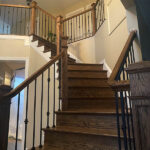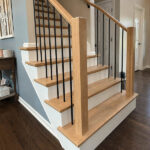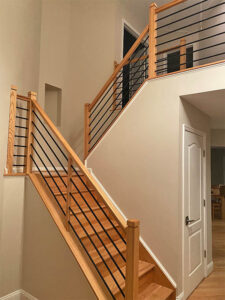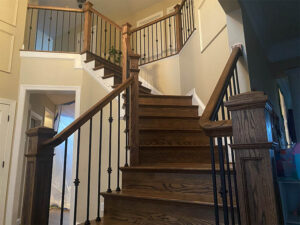

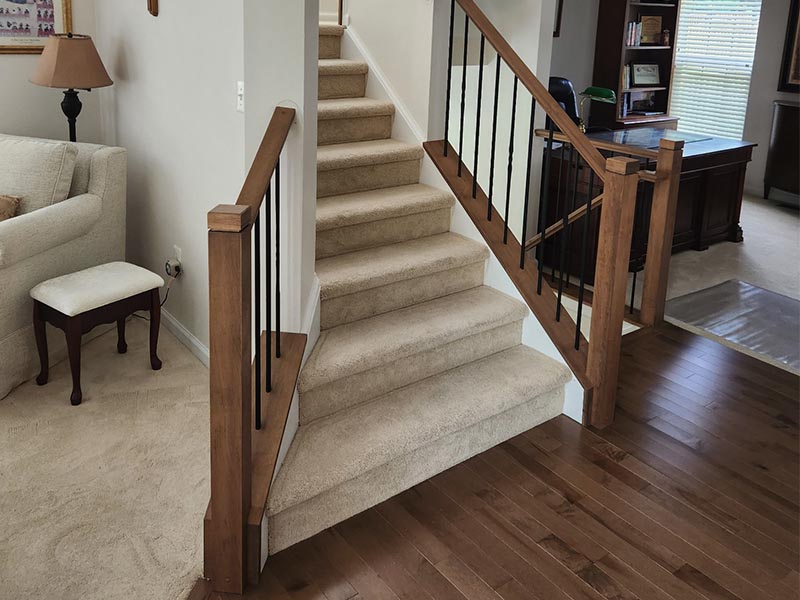
You may not notice staircase damage right away, especially when it develops gradually. A loose tread, unstable railing, recurring squeak, or small area of water damage can seem minor at first. Over time, however, these issues can affect the safety, appearance, and everyday function of your stairs.
Knowing what to look for can help you decide whether a repair will solve the problem or whether replacing your staircase is the better long-term choice. Below, you’ll learn the most common warning signs that your stairs may need more than a quick fix.
Your Staircase Feels Loose, Uneven, or Unstable
If a tread shifts, a step dips under your weight, or your stairway moves as you climb, you shouldn’t ignore the problem. Movement can indicate loose fasteners, damaged supports, worn materials, or weakened connections beneath the finished surface.
Pay attention to the entire staircase rather than focusing on one flexible step. You may notice that one side moves more than the other, the center feels springy, or several treads seem uneven. These conditions can create a tripping hazard because your body expects every step to have a consistent height and depth.
A single loose tread may be repairable if the supporting structure remains strong. However, several moving steps can point to damage in the stringers, risers, framing, or attachment points. If earlier repairs haven’t lasted, repeated patching may only delay a larger renovation.
Consider Who Uses the Stairs
You should also think about everyone who depends on the staircase. Children, older adults, guests, and people with limited mobility are more likely to lose their balance on uneven or unstable steps.
When movement affects several parts of the staircase, a complete renovation may provide a safer and more dependable result than a series of isolated repairs.
You Notice Cracks, Rot, or Water Damage
Visible deterioration is one of the clearest signs that you may need to replace your staircase. Cracked treads, split risers, soft wood, dark stains, warped boards, and crumbling edges can all indicate damage that extends below the surface.
Moisture is a common cause of staircase problems in Maryland homes. Plumbing leaks, damp basements, poorly sealed entryways, and seasonal humidity can cause wood to expand, contract, twist, or decay. Over time, repeated moisture exposure may weaken visible stair parts and the hidden structure supporting them.
Warning signs that moisture damage may be serious include:
- Wood that feels soft, spongy, or brittle
- Dark stains that continue to spread
- Warped treads or risers
- A musty smell near the staircase
- Paint or finish that repeatedly bubbles or peels
You should inspect suspicious areas carefully, but don’t assume that the visible damage shows the full extent of the problem. Painted wood can conceal decay, while carpeting may hide cracks, loose boards, and deteriorated tread edges.
If damage is limited to one accessible area, a targeted repair may work. When rot, warping, or cracking appears across several steps or reaches the stringers, full staircase replacement is often the safer choice.
Your Railings, Balusters, or Newel Posts Are Loose
Handrails and guardrails are essential safety features. They help you maintain balance, support your weight, and reduce the risk of a fall. When a handrail wobbles, a newel post shifts, or balusters feel loose, your staircase may no longer provide the support you expect.
Test the railing system at several points only if you can do so safely. Apply gentle pressure to the handrail and check for movement where it connects to walls, posts, floors, and landings. Look for cracks, gaps, exposed fasteners, damaged brackets, or balusters that no longer sit firmly in place.
You should also consider whether the railing is comfortable to use. An oversized, awkward, or poorly positioned handrail can be difficult to grip, especially for children or older adults. Wide gaps between balusters may also create concerns in homes with young children or pets.
Minor movement may be corrected by tightening or replacing individual stair parts. Older railing systems, however, often have several problems at once. Replacing the complete system can improve safety, appearance, and structural consistency.
Your Stairs Squeak Constantly
An occasional squeak doesn’t always mean you need a new staircase. Wood naturally expands and contracts as temperature and humidity change. Minor noise can also develop where treads rub against risers or fasteners loosen slightly.
Constant squeaking throughout the staircase deserves more attention. Widespread noise may signal that multiple joints are moving, treads are separating from risers, fasteners are failing, or structural supports have weakened.
Listen for patterns as you use the stairs. A sound coming from one tread may indicate a localized issue. Noise across several steps, especially when paired with movement, usually suggests a broader problem. You may also notice gaps between treads and risers, cracked trim, raised nail heads, or boards that flex under pressure.
Access Can Affect the Repair
The underside of the staircase can determine how easily the source of the noise is corrected. Some stairs can be reinforced from an unfinished basement or storage space. Others are enclosed behind finished walls and ceilings, making repeated repairs more disruptive.
If squeaking continues after earlier work, the stair structure may be shifting in a way that surface fixes can’t resolve. Replacing worn components or rebuilding the staircase can reduce noise, improve stability, and address the actual cause of the movement.
The Stair Layout Feels Unsafe or Difficult to Use
Sometimes your staircase needs replacement because of its design rather than its condition. Narrow treads, tall risers, steep angles, tight turns, low headroom, and poorly placed landings can make the stairs uncomfortable or unsafe, even when the materials appear intact.
These layout problems are common in older Maryland homes, basement conversions, attic renovations, and additions where limited space influenced the original design. You may find yourself turning your feet sideways on narrow steps, ducking beneath a ceiling, or struggling to carry furniture and laundry between floors.
Pay attention to how the staircase connects with nearby rooms. A bottom step that ends too close to a doorway can create congestion. A tight landing may make it difficult to change direction safely. Poor lighting can make steep or irregular stairs even harder to navigate.
You should also consider your future needs. A staircase that feels manageable now may become challenging as you age or if a family member develops mobility limitations.
Small adjustments can improve lighting, traction, or handrail placement. Correcting tread depth, riser height, pitch, direction, or landing size usually requires more extensive reconstruction. When the layout creates daily frustration or safety concerns, replacing the staircase can improve movement through your home and make the entire space more functional.
Your Staircase No Longer Matches Your Home
A staircase can remain structurally usable while making your interior feel dated. Worn carpeting, heavy railings, damaged trim, builder-grade balusters, mismatched wood tones, and oversized newel posts can draw attention for the wrong reasons.
Because staircases are often located near an entryway or central living area, they have a major visual impact. An outdated staircase can make nearby flooring, paint, and furnishings feel less cohesive, even after you update the rest of the room.
You should evaluate the staircase as part of the complete interior. Consider how the treads, risers, handrails, balusters, and posts relate to your floors, wall colors, trim, lighting, and architectural style. A modern railing system may look out of place in a traditional home unless the materials and proportions are carefully selected.
Cosmetic Updates Versus Replacement
Cosmetic improvements may be enough when the structure is stable. Refinishing wood treads, painting risers, replacing balusters, or installing a new handrail can dramatically refresh the space.
Full replacement may be more practical when several parts are worn, damaged, poorly proportioned, or difficult to coordinate. A custom staircase renovation can create a consistent design that suits the rest of your home while improving comfort, durability, and long-term maintenance.
Repairs Keep Becoming More Frequent
Repeated staircase repairs can signal that the existing system is reaching the end of its useful life. Tightening one tread, replacing a baluster, patching cracked trim, and fixing recurring squeaks may seem affordable when each problem appears separately. Over time, the costs and disruptions can add up.
Keep a record of what has been repaired and how long each fix lasts. If the same steps continue to loosen or the same cracks keep returning, the underlying structure may be causing the problem. You may also notice that replacement parts don’t match the original wood, finish, or design.
Ask yourself these questions before paying for another repair:
- Has the same problem returned more than once?
- Are several stair parts failing at the same time?
- Will the repair correct the cause or only the symptom?
- Are mismatched replacement parts affecting the appearance?
- Would a full renovation reduce future maintenance?
The most important consideration is whether each repair is restoring the staircase or simply delaying the next issue. When several components are worn, replacing them together can create a stronger and more consistent result.
You shouldn’t base the decision only on the cost of the next repair. Compare that expense with the long-term value of a staircase renovation that improves safety, reduces maintenance, and fits the rest of your home.
Your Staircase Has Outdated or Damaged Stair Parts
Every staircase depends on multiple components working together. Treads support your feet, risers close the vertical space between steps, stringers carry the load, and railings provide balance and fall protection. When several stair parts begin to fail, the entire system can become less reliable.
You may notice worn tread edges, cracked risers, loose trim, damaged brackets, split balusters, or newel posts that no longer sit securely. One damaged component may be easy to replace, but widespread wear can indicate that the staircase has deteriorated as a whole.
The age of the parts also matters. Older stair components may have been modified several times, painted repeatedly, or repaired with mismatched materials. These changes can make new repairs more difficult and may prevent replacement pieces from fitting correctly.
Look Beyond Surface Damage
You shouldn’t assume that visible damage is the only problem. A cracked tread may result from insufficient support underneath it. A loose post may be caused by a weakened mounting point rather than the post itself.
When several parts need replacement, a coordinated staircase renovation can be more effective than choosing components one at a time. It allows the materials, finishes, dimensions, and connections to work together, creating a safer staircase and a cleaner final appearance.
You’re Planning a Larger Home Renovation
A broader remodeling project can be the ideal time to replace your staircase. New flooring, wall changes, entryway updates, basement finishing, or an open-concept renovation may expose design and structural issues that were previously hidden.
Your existing staircase may no longer fit the updated space. Old wood tones might clash with new floors, bulky railings may block natural light, or the stair direction may limit how you use the surrounding rooms.
Planning the staircase alongside the rest of the renovation can create a more cohesive result. You can coordinate tread materials with flooring, select railing details that complement nearby trim, and improve transitions between levels.
Important features to coordinate include:
- Flooring and tread materials
- Trim profiles and wood finishes
- Handrail and baluster styles
- Stairwell lighting
- Landing size and traffic flow
You may also avoid disturbing newly finished surfaces later. Replacing a staircase after new floors, paint, and walls are complete can require extra protection, patching, and refinishing.
Even when replacement isn’t urgently required, including the staircase in your renovation plan can help you avoid an interior that feels only partially updated. A well-designed staircase can connect the old and new elements of your home while becoming a focal point that feels intentional.
Choose the Right Staircase Solution for Your Maryland Home
Loose steps, unstable railings, recurring noises, water damage, and an impractical layout are more than minor inconveniences. They can affect how safely and comfortably you use your staircase while also taking away from your home’s overall appearance.
Depending on the condition of your stairs, you may only need targeted repairs or updated components. In other cases, a more extensive renovation or full replacement may provide better long-term value. A professional assessment can help you understand the extent of the damage and choose the right solution for your home.
Darby Stair Renovations helps Maryland homeowners repair, update, and transform worn or unsafe staircases. Contact us to schedule a consultation and start planning a staircase that is safer, stronger, and better suited to your home.